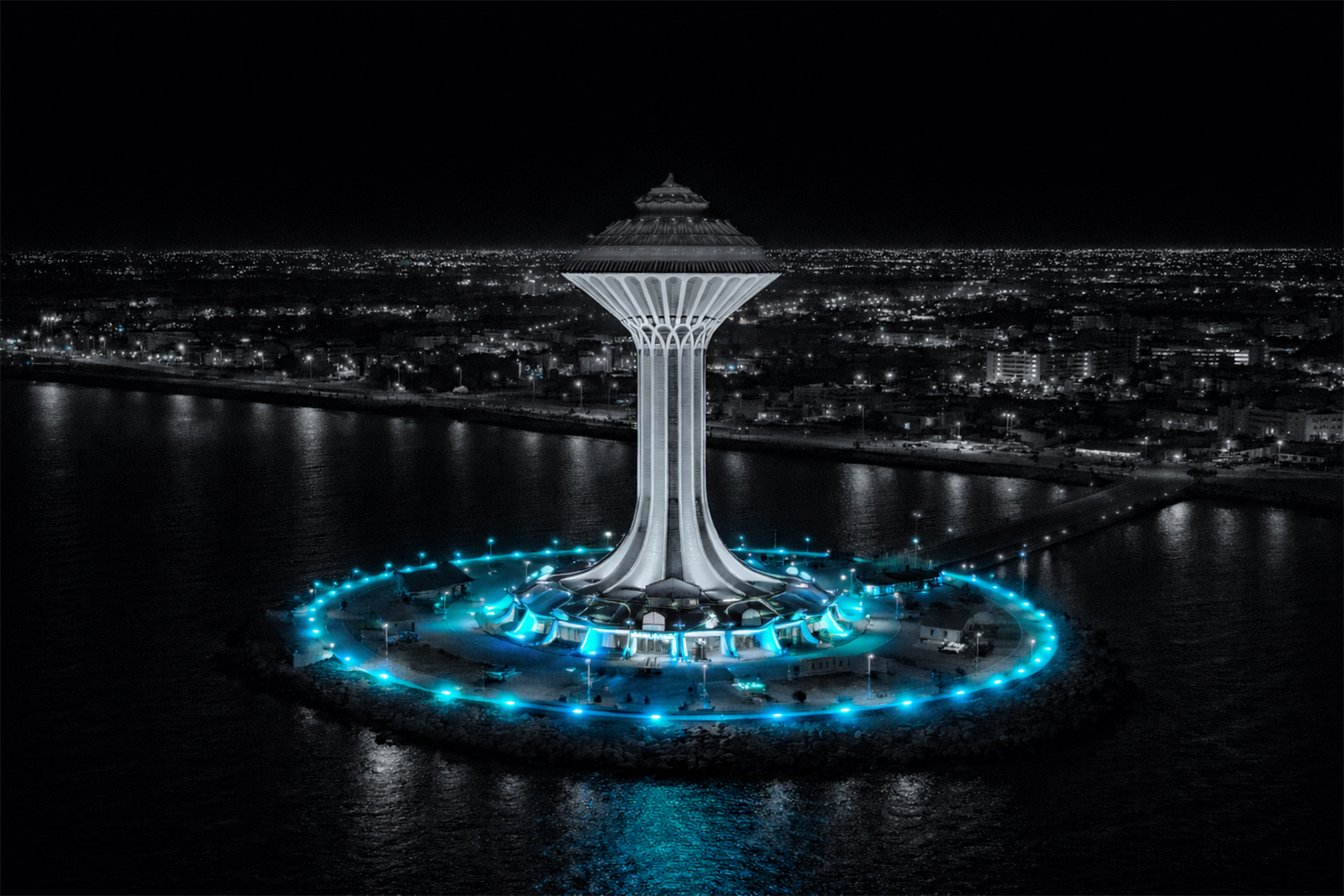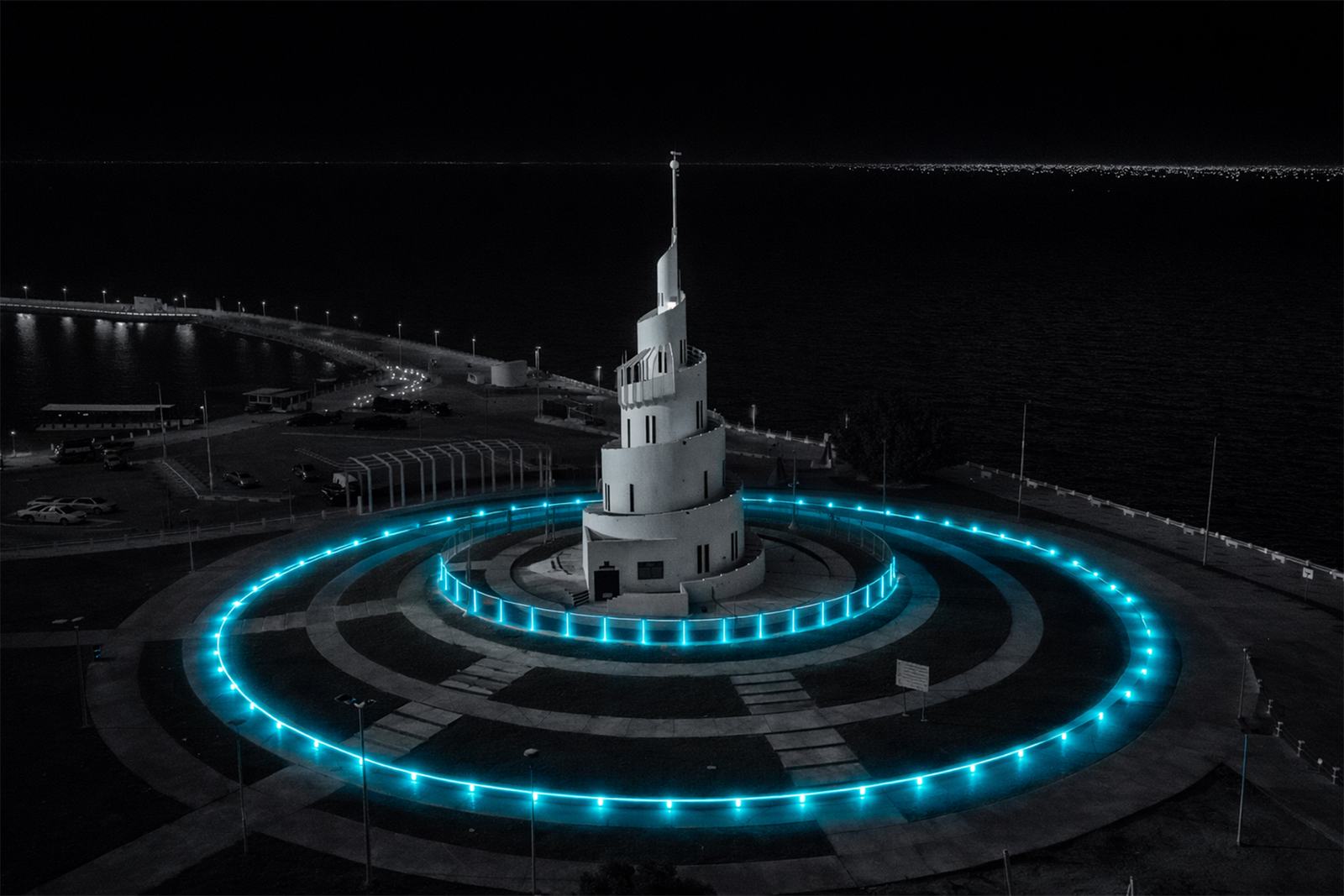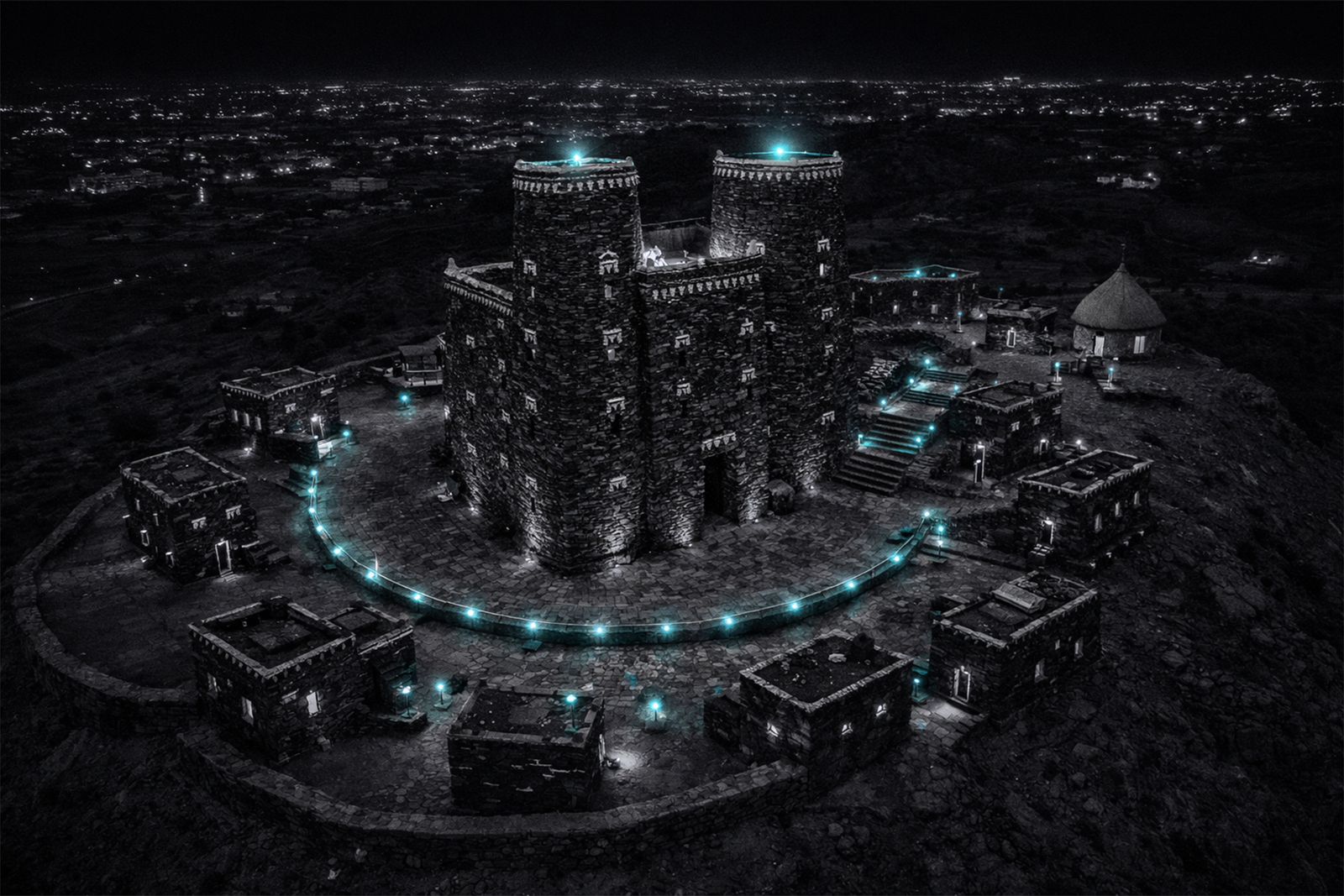


In the central region of the Arabian Peninsula, Riyadh stands as a distinguish hallmark of Saudi Arabia’s progress .It is a city where deep-rooted traditions blend seamlessly with modern innovation. Known as the “Garden City” for its historic oases, Riyadh was considered as the desert city in Saudi Arabia .It transformed from a quiet desert settlement into a glittering capital of power, culture, and technology. With its shining skyline and timeless Arabian soul, Riyadh represents both the legacy of the past and the promise of the future as a progressive city .
Historical Background:
Riyadh’s history is hundreds years old , long before it became the capital of modern Saudi Arabia. The area was originally part of the region called Al-Yamama, a fertile land that served as a vital stop for traders and travelers crossing the vast deserts of Najd. Its name, Riyadh , meaning “gardens” in Arabic.Because of its name it is known as the city of Gardens.
In the 18th century, Riyadh became the heart of the First Saudi State, founded by Imam Muhammad bin Saud in alliance with Sheikh Muhammad ibn Abd al-Wahhab. This brotherhood marked the beginning of a unified Arabian identity. However, the city faced conflicts and invasions over the centuries until it was recaptured in 1902 by King Abdulaziz Al Saud, a moment that marked the birth of the modern Saudi nation. His courage and vision set the foundation for what would become one of the most influential cities in the Arab world.
Earlier it was a modest town of mud-brick houses and narrow alleys, after that Riyadh began to expand rapidly after the unification of Saudi Arabia in 1932. The discovery of oil in Saudi Arabia brought the treasure of wealth and modernization, transforming Riyadh into the political and administrative capital of the Kingdom.
Architectural Grandeur and Modern Development:
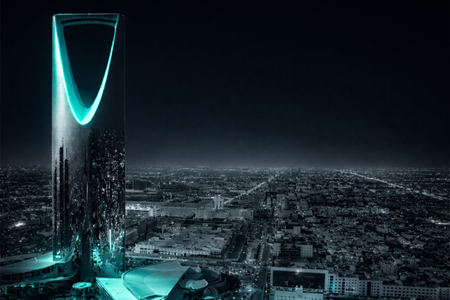
Today, Riyadh is a magnificent blend of old and new. Towering skyscrapers rise beside centuries-old forts, embodying the harmony between heritage and progress. The Kingdom Centre Tower, with its iconic inverted arch design, dominates the skyline as one of the city’s most recognized and beautifully designed symbols. The sky bridge of Rayadh presents a spectacular view of the city that glitters like a golden jewel at night .
Another architectural marvel is the Al Faisaliah Tower, the first skyscraper building that is built in Riyadh. The beautiful glass globe crown stands as a symbol of the city’s ambition and growth. Meanwhile, King Abdullah Financial District (KAFD) showcases Riyadh’s role as a rising global financial hub, with modernist landmarks and environmentally sustainable designs reflecting Vision 2030’s goals.
Yet, among this modern transformation, Riyadh remains deeply connected to its roots. In late late 19th century the Masmak Fortress was built .It stands proudly in the old quarter. This clay-brick fort witnessed King Abdulaziz’s historic 1902 victory, a significant event that changed the course of the nation’s history. Visiting the Masmak is like stepping back in time — its solid walls and traditional doors narrate stories of bravery, unity, and tenacity.
Cultural and Historical Attractions:
There is an array of places in Riyadh that reflect its cultural depth and artistic spirit. The National Museum of Saudi Arabia, located in the King Abdulaziz Historical Center, provides an captivating journey through the Kingdom’s history , from civilizations to the rise of Islam and the establishment of modern Saudi Arabia. Its exhibits use interactive technology and lifelike displays to make history come alive for visitors of all ages.
Murabba Palace is there .The residence of King Abdulaziz. Surrounded by palm trees and traditional Najdi architecture, it offers insight into royal life in the early 20th century. The wooden doors, ornate ceilings, and courtyards showcase the craftsmanship of old Arabia.
For those who are seeking for a more traditional atmosphere, Diriyah — a UNESCO World Heritage Site — is a must-visit location .That is located on the outskirts of Riyadh, Diriyah was the original home of the Saudi royal family and the first capital of the Saudi state. The beautifully restored mud-brick structures of At-Turaif District stand as a monument to the nation’s origin. Walking through Diriyah’s lanes feels like journeying through the pages of Arabian history.
Modern Landmarks and Entertainment:
Riyadh is a city that embraces modern entertainment and leisure. The Riyadh Season, launched as part of Vision 2030, has turned the city into one of the Middle East’s biggest entertainment destinations. Every year, millions of visitors visit to enjoy concerts, food festivals, sports events, and cultural shows that highlight global and local talent alike.
Boulevard Riyadh City is the crown jewel of entertainment — a vibrant district filled with glittering lights, international restaurants, fountains, and theaters. Similarly, Riyadh Front and Winter Wonderland add much charm to the festive spirit, offering everything from luxury shopping to family-friendly amusement parks.
For nature explorers, the King Abdullah Park provides a refreshing escape. It features lush gardens, musical fountains, and open spaces ideal for evening strolls. The Wadi Hanifah, a natural valley running through Riyadh, has been transformed into a scenic environmental park — That show a perfect example of balancing urban growth with ecological preservation.

Religious and Cultural Identity:
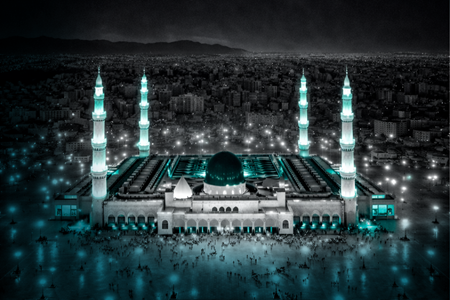
As the capital of the Kingdom Saudi Arabia , Riyadh is the heart of Islamic administration and identity. While it is not a pilgrimage city like Makkah or Madinah, it plays a vital role in organizing and hosting religious conferences, Quranic competitions, and Islamic exhibitions are normally held here . The Imam Turki bin Abdullah Grand Mosque, located near the Masmak Fortress, stands as one of Riyadh’s most significant mosques. Its elegant architecture and spiritual atmosphere attract worshipers from across the city.
The city’s cultural landscape also includes institutions like the King Fahd Cultural Center and the Riyadh Art Initiative, both promoting Saudi art, music, and literature. Through exhibitions, workshops, and festivals, Riyadh has become a cradle for modern Saudi creativity, showcasing the talents of both men and women.
Education and Innovation:
Beyond architecture and culture ,Riyadh is also a center for education and innovation. The King Saud University, established in 1957, is the oldest and largest university in Saudi Arabia. Alongside it, Princess Nourah bint Abdulrahman University, the world’s largest women’s university, stands as a symbol of empowerment and progress. Meanwhile, King Abdullah City for Science and Technology (KACST) and Riyadh Techno Valley are driving the Kingdom’s ambitions in science, research, and artificial intelligence.
Vision 2030 and the City of the Future:
Under Saudi Vision 2030, Riyadh is undergoing a historic transformation. Projects like Riyadh Metro, Green Riyadh, and Diriyah Gate Development are reshaping the city into a global destination for business, tourism, and sustainability. The goal is to make Riyadh one of the top ten economies in the world and one of the most livable cities by 2030.From its ancient fortresses to futuristic skylines, Riyadh tells a story of resilience, faith, and ambition. It is more than just a capital — it is the beating heart of Saudi Arabia, a place where the golden sands whisper tales of the past and the bright towers reflect the hopes of tomorrow. In every corner of Riyadh, one can feel the spirit of transformation — a city proud of its roots and fearless in its journey toward the future.
.png)